
Home Caregivers

Can Home Caregivers Prepare Meals and Manage Household Tasks?

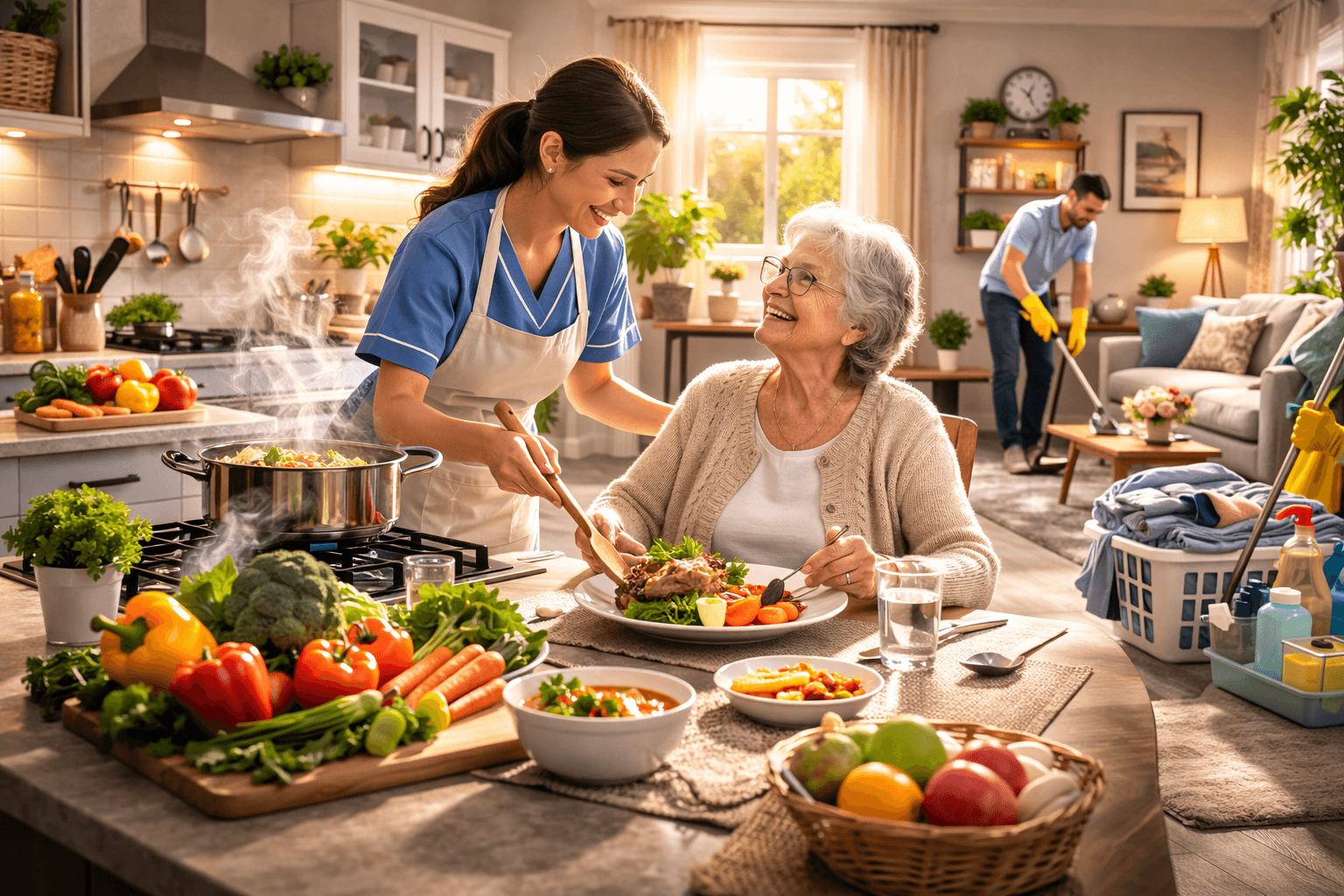
Daily cooking and household chores can be challenging for seniors or people with disabilities. Many families worry about safety and nutrition at home. Home caregiver assistance provides the right support to help clients with meal preparation and household help while keeping them safe and independent. Caregivers do not replace clients’ abilities; they assist, supervise, and guide daily tasks so clients can maintain confidence at home. 

Services from Premier Care Colorado ensure clients receive professional support with meals and household tasks while promoting independence and safety at home.

Why Is Meal Preparation Helpful?

Meal preparation is essential for proper nutrition and overall health. It reduces stress and lowers the risk of accidents in the kitchen. With caregiver support, clients can enjoy balanced meals while maintaining their daily routines. Services like meal support benefits help seniors manage mealtime safely and independently, improving both health and quality of life.

What Are Meal Planning and Meal Prepping?

Meal planning involves deciding which meals to eat in advance, while meal prepping focuses on preparing ingredients or partial meals ahead of time. Caregivers provide meal planning help to ensure clients have nutritious, easy-to-prepare meals throughout the week. Additionally, meal prepping assistance saves time and ensures dietary needs are met without compromising safety.

Home Caregivers

How Caregivers Can Help

Assist With Creating Nutritional Meal Plans

Caregivers suggest healthy meals based on preferences and dietary requirements. They provide caregiver meal prep support so clients can safely plan weekly meals without missing key nutrients.

Compile the Grocery List

Clients receive help in making detailed grocery lists. Caregivers ensure all ingredients are included, combining meal preparation for the elderly with safe and organized planning.

Handle the Shopping

Caregivers accompany clients to stores or assist with online orders. They follow safety steps while selecting items and ensure all purchases meet the planned meal requirements. This type of food preparation with youth and elders ensures nutrition and safety.

Prepare the Meals

Caregivers help chop, reheat, and assemble meals while supervising kitchen safety. Their meal preparation assistance reduces accidents and encourages clients to engage in cooking safely.

Teach Techniques

Caregivers teach clients safe cooking methods and techniques. This approach improves independence and confidence in the kitchen, supporting in-home caregiver responsibilities while encouraging active participation.

How Caregivers Assist With Household Tasks

Light Housekeeping

Caregivers help clients tidy rooms and keep living spaces safe and clutter-free. They guide clients to complete these tasks themselves, promoting independence and reducing fall risks.

Laundry Support

Caregivers assist with sorting, folding, and organizing laundry, providing support only when needed. Clients stay engaged in their daily routines while remaining safe.

Organizing Personal Items

Caregivers help clients arrange personal belongings, clothing, and household items so they are easy to reach and use. This support reduces stress and makes daily tasks more manageable.

Daily Routine Guidance

Caregivers assist clients in following a schedule for chores, meals, and self-care tasks. They provide help only as needed, ensuring elders maintain independence while completing daily routines safely.

Benefits of Caregiver Support:

  • Clients stay safe while performing daily routines.
  • Clients maintain independence and structure in their lives.
  • Caregiver support reduces stress for both clients and family members.
  • Proper guidance in meal and household tasks promotes better hygiene, nutrition, and overall well-being.
  • Caregiver duties in assisted living and in-home caregiver duties enhance peace of mind and safety at home.

Who Can Benefit From This Support

Seniors with limited mobility, people recovering from illness or surgery, and individuals with disabilities benefit the most from caregiver assistance. Families needing extra support while maintaining independence also find this service invaluable. Caregivers focus on what are caregivers responsibilities are to support clients without replacing their abilities, ensuring clients feel secure and confident.

Stay Independent and Safe with Caregiver Support

Home caregivers help seniors and individuals with disabilities manage meals and daily household tasks safely, providing guidance and support without taking over. Clients maintain independence, stay healthy, and complete daily routines with confidence. 

Trust Premier Care Colorado for professional, personalized assistance that makes life at home easier and safer.

FAQs:

Can caregivers prepare meals for seniors?
Yes. They assist with planning, prepping, and guiding meals safely.

Can caregivers customize meal plans?
Yes. They help create meals based on health needs and dietary preferences.

Do caregivers teach safe cooking techniques?
Yes. They guide seniors to cook safely and confidently.

Who benefits from caregiver meal and household support?
Seniors, people recovering from illness, individuals with disabilities, and families needing extra support.

Do caregivers do all household tasks?
No. They assist and supervise so clients stay independent while completing daily routines.

Ageing brings changes that can make daily life harder for seniors. Simple tasks like bathing, walking, remembering medicine, or even talking to someone can become difficult. Many older adults also feel lonely when they spend too much time alone, which affects their emotional well-being. This is where carer support for seniors plays an important role. 

Caregivers are full support systems who provide physical and emotional support for the elderly, helping seniors feel safe, respected, and connected. They support daily care and independence, making life easier and more comfortable at home. At Premier Care Colorado, these services are delivered with trusted, compassionate care.

Why Caregiver Support Matters

Carers are important because they:

  • Improve daily comfort
  • Support health and safety
  • Reduce loneliness
  • Help families manage care
  • Encourage independence

Their role is not just physical help; it is complete life support for seniors, strengthening in-home caregiver services

1. Personal Care and Daily Living Assistance

Personal care is one of the most basic needs of seniors. Caregivers provide physical support for seniors by helping with daily tasks that maintain hygiene, comfort, and dignity.

They support seniors with:

They support seniors with bathing and personal hygiene, grooming like hair and nail care, dressing and toileting assistance, meal preparation and feeding support, and light cleaning to maintain a safe and comfortable home environment.

Example:
A senior with weak knees may find it hard to take a bath safely. A caregiver helps them step in and out safely, reducing the risk of falls.

2. Mobility and Physical Support

Many seniors struggle with movement due to age, illness, or injury. Caregivers provide caregiver assistance for seniors by helping them move safely and stay active.

They assist with:
  • Walking and transferring from bed to chair
  • Light exercise and movement
  • Preventing falls at home
  • Supporting wheelchairs or walkers

Real-life situation:
A caregiver may help a senior take short walks inside the house to improve blood flow and strength.

3. Medical and Health Support

Health care is a key part of senior life. Caregivers help manage health needs and ensure treatment plans are followed correctly, supporting the role of caregivers in elderly care.

They help by:

They help by tracking symptoms and changes in health, managing medications on time, assisting with doctor visits, and updating family members about the senior’s health, ensuring proper care and safety.

Example:
If a senior forgets their medicine, the caregiver reminds them and ensures the correct dosage is taken.

4. Emotional Companionship

Emotional support is just as important as physical care. Many seniors feel lonely or ignored, especially if they live alone. Caregivers provide strong emotional support for older adults.

They provide:

They provide friendly conversations, active listening, sharing hobbies or daily activities, and emotional comfort during stress, helping seniors feel supported, valued, and less lonely.

Example:
A caregiver sitting and talking with a senior for 30 minutes daily can reduce loneliness and improve mood.

5. Social Engagement Support

Staying socially active keeps seniors mentally healthy. Caregivers support senior independence at home care by helping them stay connected to others.

They are supported by:

They encourage family visits, help seniors attend community events, support religious or social gatherings, and reduce isolation by keeping them socially active and connected.

Real-life example:
A caregiver may take a senior to a family gathering or park visit so they stay connected with loved ones.

6. Mental Stimulation and Cognitive Support

Mental activity keeps the brain strong. Caregivers help seniors stay mentally active through simple activities, improving and maintaining independence in older adults.

They encourage:

They encourage memory games and puzzles, reading books or newspapers, talking about daily topics, and engaging in creative hobbies like painting or gardening, helping seniors stay mentally active and engaged.

Example:
Playing a simple word game daily can improve memory and focus in seniors.

7. Emotional Safety and Stress Support

Seniors often feel anxious due to health issues or life changes. Caregivers provide strong in-home caregiver support for the elderly by creating a safe emotional space.

They help by:

They help by giving reassurance and support, reducing fear and anxiety, assisting with sadness or grief, and creating a calm home environment, helping seniors feel safe and emotionally stable.

Example:
A caregiver staying with a senior during a hospital visit can reduce fear and stress.

8. Family Support and Care Coordination

Caregivers also help families manage senior care better. This reduces stress and improves elderly care and independence support.

They are supported by:
  • Organizing appointments
  • Updating families about health
  • Managing daily care schedules
  • Ensuring consistent care routines

Real-life situation:
A working daughter may not have time to manage her father’s medical visits. A caregiver handles this responsibility smoothly.

Benefits of Caregiver Support for Seniors

Caregiver support helps seniors live safely, independently, and with dignity while improving their emotional and physical well-being.

1. Personal Care Benefits

Seniors feel clean, safe, and respected in their daily routine with home caregivers for elderly support.

2. Mobility and Physical Health Benefits

Better mobility, fewer injuries, and improved physical health under senior caregiver responsibilities.

3. Medical and Health Management Benefits

Better health control and fewer medical complications with caregiver responsibilities in elderly care.

4. Mental Stimulation Benefits

Better memory, sharper thinking, and improved mental health are roles of caregivers in ageing adults.

5. Emotional Well-being Benefits

Reduced loneliness and stronger emotional well-being through senior well-being support.

6. Social Connection Benefits

Stronger relationships and improved happiness with in-home caregiver services for the elderly.

7. Emotional Safety Benefits

Emotional stability and a strong sense of safety with caregiver support for senior independence.

8. Family Support Benefits

Less stress for families and better organised care through caregiver support for seniors.

FAQs

  1. What skills are important for a good caregiver?

A good caregiver needs patience, communication skills, basic health knowledge, problem-solving ability, and compassion to handle seniors with care and respect.

  1. How do caregivers handle emergencies?

Caregivers stay calm, provide first aid if needed, contact medical services quickly, and inform family members to ensure the senior gets immediate help.

  1. Do caregivers also support mental health?

Yes, caregivers support mental health by offering companionship, reducing stress, encouraging activities, and helping seniors stay socially connected.

  1. How do caregivers build trust with seniors?

They build trust through regular communication, respectful behavior, consistency in care, and by understanding the senior’s personal needs and preferences.

  1. What makes caregiver support important in home care?

Caregiver support is important because it allows seniors to stay in their own homes safely while still receiving professional help for daily living and emotional well-being.

Real-Life Impact of Caregivers

Caregivers change the daily life of seniors in a powerful way. An elderly person living alone may struggle with loneliness, missed medicines, and limited movement. With senior independence at home care, life becomes more active, safe, and structured.

They start eating better, moving more, and feeling emotionally supported. Most importantly, they regain confidence in daily living.

Supporting Seniors for a Safer, Happier Life

Caregivers play a vital role in improving both the emotional and physical well-being of seniors. They assist with daily needs, support movement, manage health care, and provide emotional comfort. Most importantly, they make seniors feel valued and cared for. With proper caregiver support for seniors, seniors can live safely, happily, and independently in their own homes while maintaining dignity and quality of life.

Start your care journey today with Premier Care Colorado and give your loved ones the safe, compassionate support they deserve.