
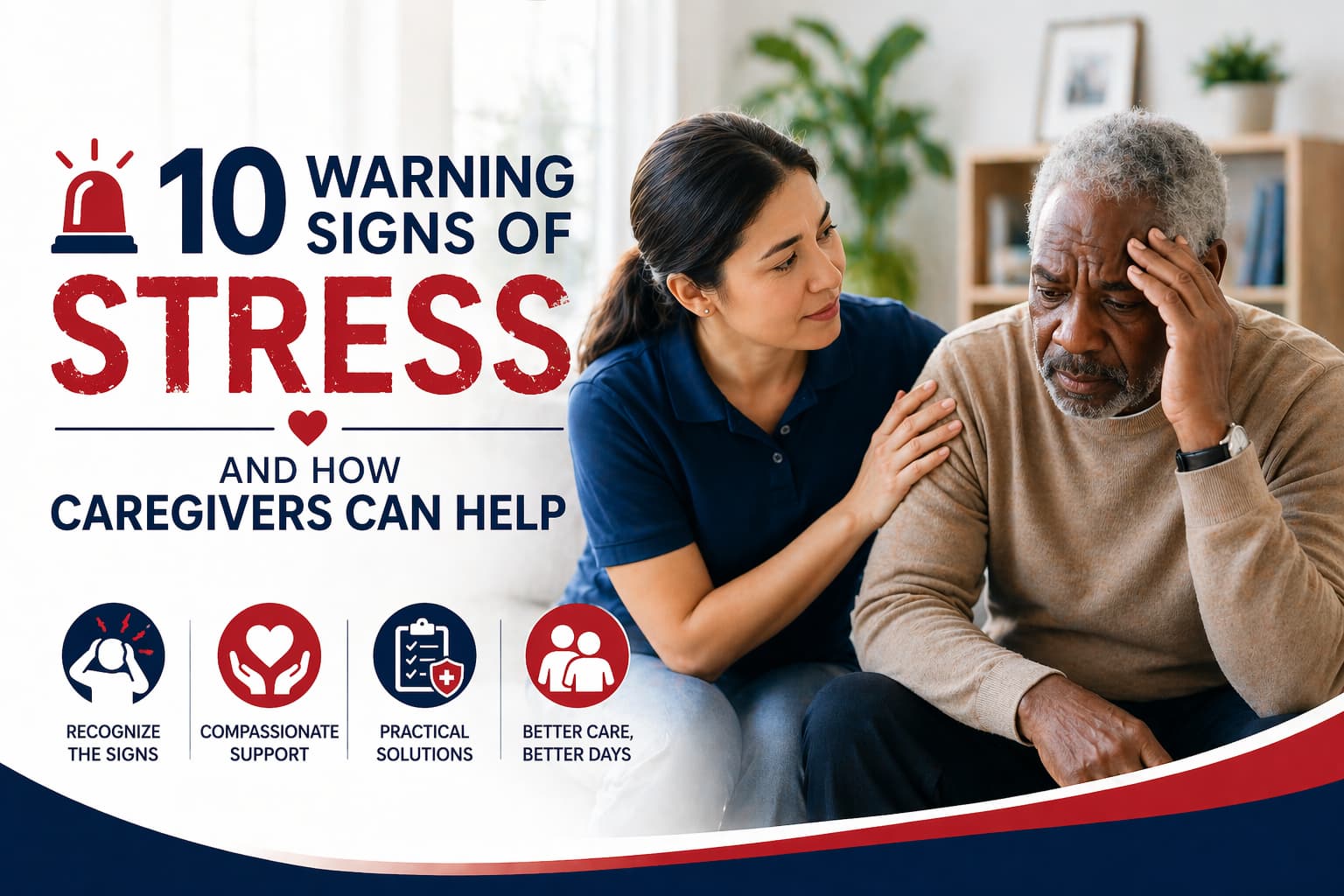
Emergencies can happen at any time, so it is important to understand how seniors can stay safe with proper planning and support. Seniors face higher risks due to health and mobility challenges, but the right caregiver can help reduce these dangers and ensure quick and safe responses in critical situations.
At Premier Care Colorado, caregivers play a key role in preparing seniors for emergencies through proper planning, quick response, and daily support. They help seniors stay safe before, during, and after any crisis by providing reliable and compassionate care at home.
What is Emergency Preparedness for seniors?
Emergency preparedness for the elderly means planning for situations like natural disasters, power outages, or medical emergencies. It includes having supplies ready, knowing what to do, and staying connected with support systems.
This preparation reduces panic and helps seniors respond safely during unexpected events.
Why Emergency Preparedness for Seniors Is Important
Seniors often face mobility, health, or memory challenges. Therefore, emergencies can become more dangerous for them.
With proper emergency preparedness for seniors, families can:
- Reduce risks during disasters
- Ensure quick medical response
- Maintain safety and comfort
- Avoid confusion and panic
As a result, seniors stay protected in critical moments.
Role of Caregivers in Emergency Preparedness
Caregivers support seniors in every step of preparation. Their role becomes even more important during emergencies.
Creating a Safety Plan
First, caregivers create a clear emergency plan. They include contact numbers, safe exits, and meeting points. This plan helps seniors know exactly what to do.
Managing Emergency Supplies
Caregivers prepare essential items like food, water, medications, and first aid kits. They also check supplies regularly to keep them up to date.
Providing Immediate Support
During an emergency, caregivers act quickly and calmly. They guide seniors to safety and follow the emergency plan step by step.
Offering Emotional Stability
Emergencies can cause fear and confusion. Caregivers provide calm support, which helps seniors feel safe and less stressed.
Essential Steps for Emergency Preparedness for Older Adults
Build an Emergency Kit
Every home should have a basic emergency kit. It should include:
- Drinking water
- Non-perishable food
- Flashlight and batteries
- First aid kit
- Important documents
This step supports strong healthcare safety and emergency preparedness.
Keep Medical Information Ready
Caregivers should keep a list of medications, allergies, and medical conditions. This helps doctors provide quick and accurate treatment during emergencies.
Plan for Mobility Needs
Some seniors need walkers, wheelchairs, or assistance. Therefore, caregivers must plan safe movement during emergencies.
Stay Connected
Caregivers should maintain contact with family members, neighbors, and emergency services. Communication helps reduce delays in help.
Understanding the Caregiver Preparedness Scale
The caregiver preparedness scale measures how ready a caregiver feels to handle daily care and emergencies. It evaluates important factors such as knowledge, confidence, skills, and the ability to make quick decisions under pressure.
In addition, it helps caregivers understand their strengths and identify areas where they may need improvement. A higher score means better readiness, stronger decision-making, and safer care during difficult situations.
Preparedness for Caregiving Scale Explained
The preparedness for caregiving scale focuses on how well caregivers can manage overall responsibilities, including both routine care and unexpected emergencies. It highlights gaps in training, experience, and emotional readiness, which can affect care quality.
Therefore, caregivers and families can use this scale to plan better support and training.
Using this scale improves organization, builds confidence, and ensures more effective and reliable care over time.
Managing Stress and Disaster Mind
Emergencies can create fear and confusion. Therefore, caregivers must stay calm and focused. A strong disaster mind means thinking clearly and acting quickly during stressful situations.
Caregivers can improve this by:
- Practicing emergency drills
- Learning basic first aid
- Staying informed about risks
This preparation improves decision-making in real situations.
Common Risks Seniors Face During Emergencies
Seniors may face:
- Limited mobility
- Health complications
- Memory challenges
- Difficulty communicating
Because of these risks, emergency preparedness for the elderly becomes even more important.
How Caregiver Support Improves Safety
Caregivers play an important role in improving safety for seniors, especially during emergencies. They reduce risks by planning and creating clear safety strategies for different situations. In addition, they closely monitor health conditions, which helps detect any problems early.
When an emergency happens, caregivers provide a quick and calm response, which prevents confusion and reduces harm. They also offer emotional support, which helps seniors stay calm and feel secure. As a result, seniors feel safer, more confident, and better protected during difficult situations.
Benefits of Emergency Preparedness for Seniors
Proper emergency preparedness for seniors offers many benefits:
- Faster response in emergencies
- Reduced injuries and risks
- Better health management
- Increased confidence and independence
Preparation saves time and lives.
FAQs:
What is emergency preparedness for seniors?
Emergency preparedness for seniors means planning and preparing for emergencies to ensure safety, health, and a quick response.
Why is emergency preparedness important for older adults?
Emergency preparedness for older adults helps reduce risks, improve safety, and ensure proper care during unexpected situations.
What is a caregiver preparedness scale?
The caregiver preparedness scale measures how ready a caregiver is to handle daily care and emergencies.
What should be in an emergency kit for seniors?
An emergency kit should include food, water, medications, a flashlight, and important documents.
How can caregivers help during emergencies?
Caregivers help by creating plans, managing supplies, providing support, and ensuring quick and safe actions.
Choosing Safety Through Proper Planning
Emergencies cannot always be avoided, but proper preparation can reduce their impact. Caregivers play a key role in protecting seniors through planning, awareness, and quick response.
At Premier Care Colorado, caregivers provide reliable support and help families build strong emergency plans for safer and more secure living at home.