
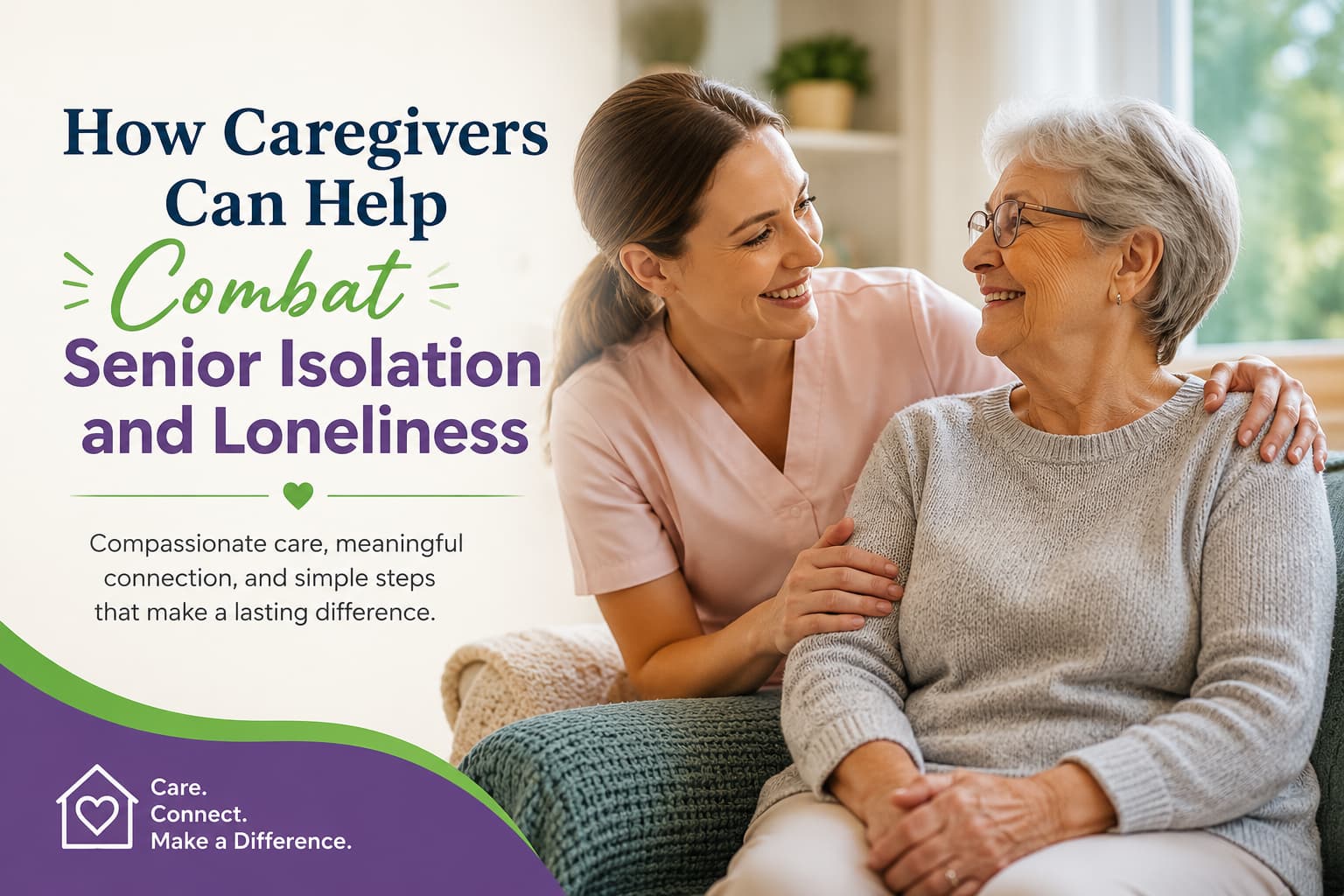
Loneliness in older adults is not just an emotional issue. It slowly affects health, thinking, behavior, and daily living. Many seniors lose regular contact with friends, stop going outside, and feel disconnected from their community. Caregivers directly help solve this problem by providing daily support, consistent attention, and meaningful companionship that keeps seniors emotionally stable and socially engaged. This is how caregivers play a key role in combating social isolation in seniors through practical, human-centered care.
At Premier Care Colorado, caregivers focus on improving seniors’ quality of life through compassionate in-home support, companionship, and daily assistance. The goal is to help older adults stay connected, safe, and emotionally supported in their own homes while reducing isolation and loneliness in a natural and respectful way.
Social Isolation vs. Loneliness: What’s the Difference?
Although people often use these two terms in the same way, they describe different situations in senior care.
- Social isolation is an objective condition. It means a person has very little contact with others. You can measure it through fewer visits, no regular social activities, or limited communication with friends and family. In simple terms, it shows a lack of social connection in daily life.
- On the other hand, loneliness is a personal feeling. It happens when a senior feels emotionally alone, even if other people are around them. This feeling comes from the gap between the connection they want and the connection they actually experience.
Understanding this difference is important because support must match the real need. Some seniors need more social contact, while others need deeper emotional connection and companionship care.
Why Seniors Become Isolated
Several life changes slowly reduce social contact for older adults. These changes do not happen suddenly, but over time they create distance between seniors and their community. As a result, many seniors start feeling a lack of community and lose interest in daily social life.
- Retirement changes daily routine: Retirement removes regular workplace interaction. Seniors no longer meet coworkers or follow a structured social schedule, so daily communication naturally reduces, which can lead to isolation over time.
- Loss of spouse or close friends reduces support: When seniors lose a partner or long-time friends, they also lose emotional comfort and companionship. This creates a strong emotional gap that increases feelings of loneliness.
- Health problems limit mobility: Physical conditions such as joint pain, weakness, or chronic illness make it difficult for seniors to go outside. As movement decreases, social interaction also becomes limited.
- Family members live far away: Many seniors have children or relatives who live in different cities or countries. Limited visits and communication reduce daily emotional connection and increase isolation risk.
- Reduced social confidence over time: After long periods of staying alone, some seniors lose motivation to participate in activities. They may avoid social events, which further increases isolation challenges.
Together, these factors slowly build emotional distance and reduce a senior’s connection with society, making regular support and companionship very important.
Impact of Social Isolation on Seniors’ Lives
When seniors experience long-term social isolation, it affects both their mental and physical health in serious ways. Gradually, they may develop sadness, anxiety, or depression, and they can lose interest in daily activities they once enjoyed. At the same time, a lack of regular conversation and mental engagement can lead to memory problems, confusion, and slower thinking, which reduces overall cognitive function.
In addition, isolation can also harm physical health because seniors may avoid exercise, proper nutrition, and medical checkups. This increases the risk of chronic diseases such as heart problems and high blood pressure. Over time, seniors may lose motivation to manage daily tasks, which reduces their independence and confidence. As emotional support decreases, feelings of loneliness and stress become stronger, making daily life more difficult and less fulfilling.
Practical Strategies: How Caregivers Can Help Reduce Loneliness
Caregivers do not need to change a senior’s entire lifestyle in one day. Instead, small and consistent actions can build emotional connection and reduce loneliness over time. The main focus should be on creating moments where seniors feel seen, heard, and valued.
Encourage regular social contact
Caregivers can support routine communication by helping seniors stay in touch with family and friends. Regular phone calls, video chats, or short visits create emotional stability. Even simple daily interaction helps seniors feel connected and less alone.
The Mailbox Connection
Caregivers can encourage family members, especially grandchildren, to send postcards or handwritten letters. Holding physical mail gives seniors a strong emotional reminder that someone is thinking about them. This simple habit builds a lasting sense of connection and care.
Support meaningful activities
Caregivers should encourage seniors to join activities that give them purpose. These may include hobbies, book clubs, religious gatherings, senior centers, or volunteering. Such activities help seniors stay mentally active and socially engaged.
Foster intergenerational interactions
Interaction between seniors and younger generations brings energy and emotional joy. Caregivers can help arrange visits or shared activities with children and grandchildren. These moments also help seniors feel valued and respected within the family.
The Shared Memory Task
Caregivers can involve seniors in storytelling by asking them to look at old family photos and share memories. This makes seniors feel important because they act as the “memory expert.” It also strengthens emotional bonding and communication.
Use technology to bridge the gap
Caregivers can introduce simple tools like voice assistants or easy-to-use tablets to help seniors stay connected. These tools reduce confusion and make communication easier, especially for those who struggle with smartphones.
Promote independence
Caregivers should ensure seniors have proper hearing aids, glasses, and other support tools. When communication becomes easier, seniors feel more confident in social interaction. Additionally, simple activities like bird feeders or window gardens can reduce emptiness and provide daily joy.
Validate their feelings
Campaign Caregivers must listen carefully without judgment. When seniors express loneliness, acknowledging their feelings builds trust and emotional safety. Sometimes, listening alone becomes the strongest form of support.
FAQs:
1. How can caregivers identify early signs of emotional isolation in seniors?
Caregivers notice early signs like reduced talking, loss of interest in hobbies, irregular sleep patterns, and withdrawal from daily interaction. Early detection helps prevent deeper loneliness.
2. Can structured daily routines reduce loneliness in seniors?
Yes, structured routines give seniors a sense of purpose and stability. Caregivers use daily schedules to include meals, light activity, conversation, and rest, which reduces emotional emptiness.
3. What role does memory stimulation play in reducing senior isolation?
Memory-based activities like photo discussions, storytelling, and past event conversations help seniors stay mentally active and emotionally connected.
4. How do caregivers support seniors who refuse social interaction?
Caregivers start with small steps like short conversations, shared simple tasks, and gentle encouragement. Over time, trust builds and seniors become more open to interaction.
5. Can small environmental changes help reduce loneliness in seniors?
Yes, changes like placing family photos, adding indoor plants, or setting up a comfortable sitting area can improve emotional comfort and reduce feelings of emptiness.
Building Stronger Lives for Seniors
Caregivers help seniors build stronger and more meaningful lives by providing daily emotional support, companionship, and consistent care. Through regular interaction and attention, they reduce loneliness and help seniors feel valued, confident, and included in daily life. This support encourages seniors to engage more with family and community activities, which improves their mental and emotional well-being. Over time, caregivers help seniors develop a more positive routine where they feel safe, supported, and able to build companionship and social support.
Experience compassionate and reliable senior care with Premier Care Colorado today.