
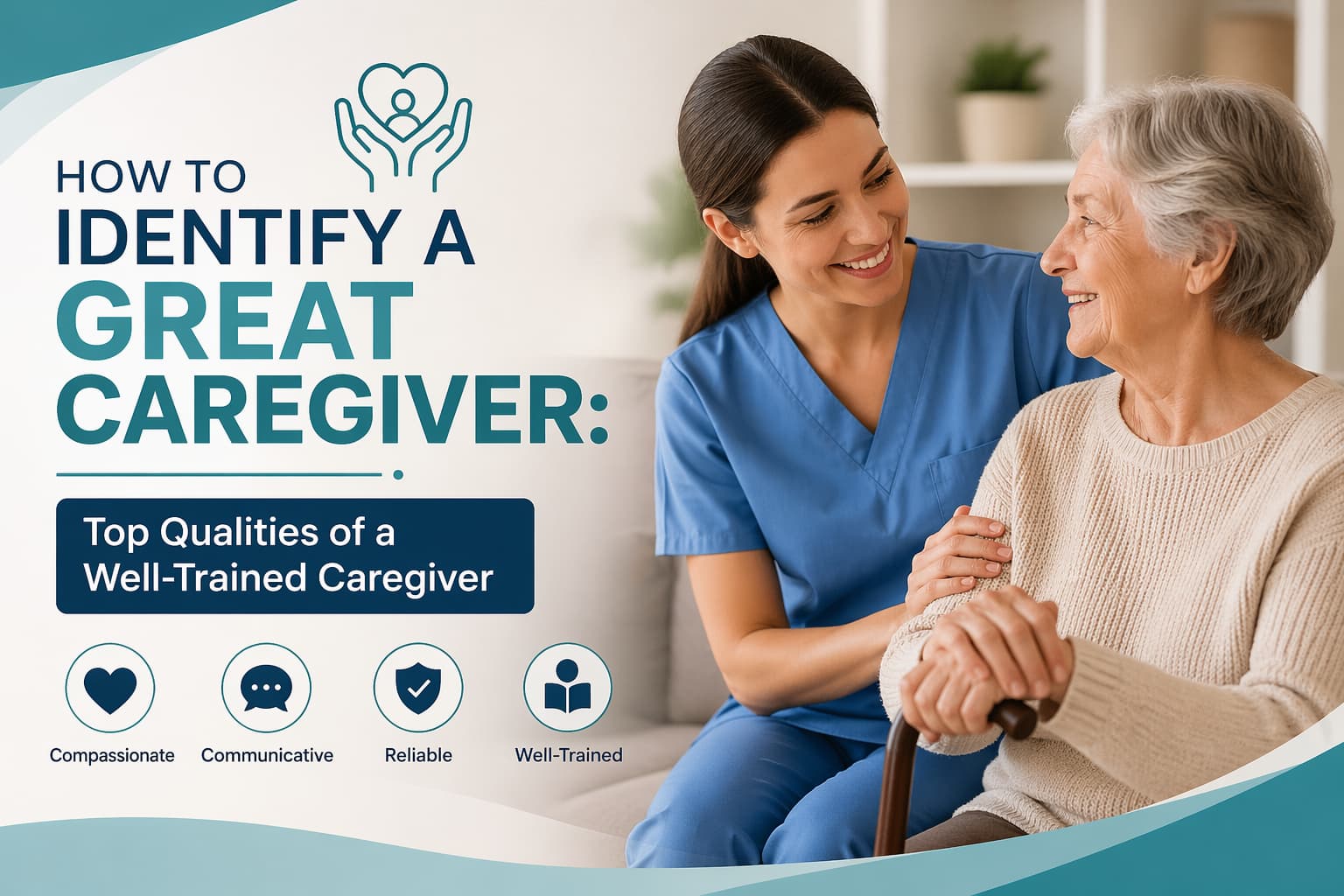
A great caregiver is someone who supports daily needs like personal care, safety, and comfort while also showing patience, respect, and responsibility in every situation. Choosing the right person matters because it directly affects the health, dignity, and happiness of your loved one.
At Premier Care Colorado, we focus on providing trusted and trained caregivers who support families with safe and compassionate home care services. We make sure every caregiver is carefully selected to meet professional care standards and family needs.
What Is the Role of a Caregiver?
The role of a caregiver is to support people who cannot fully care for themselves. This includes seniors, disabled individuals, or people recovering from illness.
A caregiver helps with:
- Personal care, like bathing and dressing
- Meal preparation and feeding
- Medication reminders
- Mobility support
- Companionship and emotional care
A good carer also notices small changes in health and reports them early. This is a key part of safety.
Top Qualities of a Caregiver You Must Look For
When choosing caregivers for independence, you should check more than just experience. The really good caregiver characteristics are based on attitude, patience, and responsibility.
1. Patience and Calm Behavior
A caring person stays calm even in stressful situations. Seniors may move slowly or repeat things, so patience becomes very important. A great caregiver never gets angry or rushed and handles every situation with a steady mindset. This approach helps reduce stress for the patient and creates a peaceful environment.
This is one of the most important qualities of a caregiver because it builds trust.
2. Strong Communication Skills
A good caregiver must speak clearly and listen carefully. Families need regular updates, while patients need to feel heard and understood. Clear communication helps avoid confusion and ensures proper care every day. It also strengthens the bond between the caregiver, patient, and family.
Good communication is one of the most important skills of a caregiver.
3. Respect and Dignity
A trained caregiver always respects privacy and personal space. They never treat a person like a burden, even during difficult moments. Respect helps maintain the dignity of the patient and makes them feel valued. As a result, patients feel more comfortable and confident in their care.
Respect is a core part of caregiver qualities and builds emotional safety.
4. Responsibility and Reliability
Families depend on caregivers daily, so reliability is very important. A responsible caregiver arrives on time, follows routines, and completes all tasks properly. They also take ownership of their duties without needing constant reminders. This consistency helps families feel secure and stress-free.
Without responsibility, even good skills are not enough.
5. Compassion and Empathy
A caregiver must feel care in their heart. Empathy means understanding pain, emotions, and the daily struggles of the patient. A compassionate caregiver offers emotional support along with physical help. Because of this, patients feel safe, respected, and less alone.
These traits of a good caregiver improve overall well-being.
6. Basic Medical Awareness
A well-trained caregiver understands basic health needs and safety measures. They may not replace doctors, but they can notice small changes in health conditions. Early detection of issues can prevent serious problems later. This awareness plays a key role in maintaining daily health.
This is an important part of care worker qualifications.
7. Physical Strength and Energy
Caregiving is not only about talking; it also requires physical effort. It includes lifting, walking support, and helping with movement. A caregiver needs enough strength and energy to perform these tasks safely. This protects both the caregiver and the patient from injury.
Physical ability supports effective daily care.
8. Problem-Solving Skills
Sometimes, sudden problems happen, like a fall or confusion. In such moments, a good caregiver stays calm and makes quick decisions. They know how to respond safely and take the right steps without panic.
This ability helps prevent further complications. This is a key part of good caregiver traits.
Good Caregiver Characteristics in Real Life
A good caregiver characteristics list is not only a theory. You can see it in daily actions:
- They notice small health changes
- They keep the home clean and safe
- They respect family instructions
- They stay patient during hard days
- They built a friendly relationship
These actions show real qualities of a good caregiver in practice.
Caregivers for Independence: Why They Matter
Modern care is not only about helping people with daily tasks; it is also about giving them the freedom to live life on their own terms. Caregivers for Independence supports seniors in staying in their own homes, which helps them feel more comfortable and secure.
In addition, they encourage seniors to make their own choices, which builds confidence and self-respect. With the right support, seniors can stay active in their daily routines and maintain a sense of purpose. As a result, this approach improves both mental health and overall happiness.
Skills of a Caregiver That Matter Most
The best caregivers improve daily. Strong skills of a caregiver include:
- Time management
- Hygiene care
- Mobility support
- Emotional support
- Basic first aid awareness
These skills help patients live safely and comfortably at home.
Traits of a Good Caregiver That Families Should Check
Before hiring, families should look for these traits of a good caregiver:
- Honest behavior
- Clean and organized habits
- Positive attitude
- Respect for instructions
- Strong emotional control
These traits protect both the patient and the family.
How to Identify a Great Caregiver in Simple Steps
Choosing the right caregiver requires careful observation and simple checks. These steps help families make a safe and confident decision without confusion.
Observe How They Talk to Elders
First, watch how the caregiver speaks to older adults. A respectful tone, polite words, and a calm voice show professionalism. In addition, kind communication helps seniors feel comfortable and valued.
Check If They Listen Carefully
Next, notice if the caregiver listens without interrupting. A good caregiver pays attention to small details and understands needs clearly. As a result, better care decisions are made every day.
Ask About Experience
Then, ask about their past caregiving experience. Experienced caregivers handle different situations with confidence and care. This also helps you understand their ability to manage real-life challenges.
Observe Their Patience Level
After that, observe how patient they are during conversations and tasks. A patient caregiver stays calm even when things move slowly or become repetitive. This behavior creates a stress-free environment.
Confirm Basic Training
Finally, confirm if they have basic caregiving training or certifications. Proper training ensures they understand safety, hygiene, and basic health needs.
If a caregiver shows all these signs, they likely have strong qualities of a caregiver.
Care Worker Qualifications You Should Know
A trained caregiver often has:
- Basic caregiving certification
- First aid training
- Experience with seniors
- Background check clearance
These care worker qualifications help ensure safety and trust.
Why Good Caregiver Traits Matter for Families
Choosing the wrong caregiver can create stress and serious problems at home. However, the right caregiver can improve daily life in many ways. Strong good caregiver traits bring peace of mind to families because they know their loved one is safe and well cared for.
At the same time, patients experience better health, feel less stress, and enjoy more independence in their daily routine. Because of these benefits, families should take time and choose a caregiver carefully instead of making a quick decision.
FAQs:
What are the main qualities of a caregiver?
The main qualities of a caregiver include patience, respect, empathy, responsibility, and communication skills.
What makes a good caregiver?
A good caregiver shows kindness, stays reliable, and supports daily needs without losing patience.
What are the skills of a caregiver?
The skills of a caregiver include personal care support, time management, hygiene help, and basic health awareness.
What is the role of a caregiver?
The role of a caregiver is to support daily living activities and improve safety and comfort for patients.
What are good caregiver characteristics?
Good caregiver characteristics include honesty, emotional control, respect, and strong attention to detail.
Make the Right Care Choice with Confidence
Choosing the right caregiver is a life-changing decision. The best caregivers are not only trained but also kind, patient, and responsible. When you understand the qualities of a caregiver, it becomes easier to find someone who truly cares. A strong caregiver supports independence, improves health, and brings peace to families every day.
A good caregiver is not just a helper. At Premier Care Colorado, they become a trusted part of the family.